Full Funnel Marketing: 7 Proven Ways to Drive Real Growth
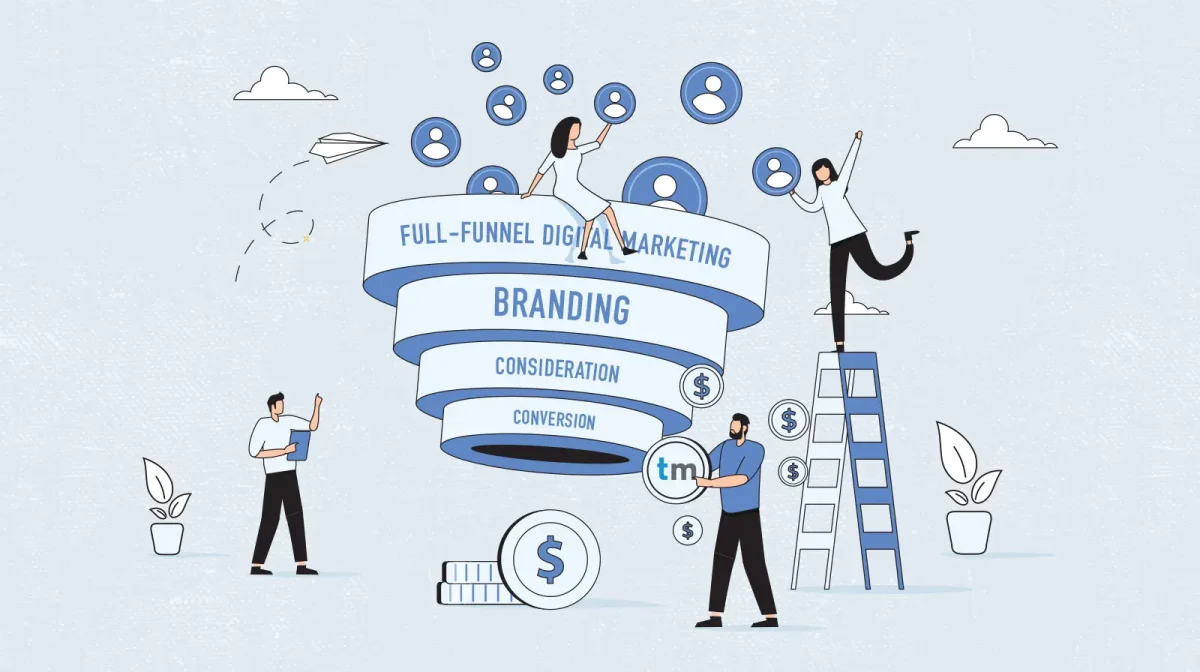
Digital marketing today is no longer about running a few ads and hoping people convert. Audiences are smarter, competition is tougher, and buying decisions take more time than ever before. This shift has made one strategy stand out across industries and platforms: full funnel marketing.
Full funnel marketing focuses on guiding potential customers through every stage of their journey, from the moment they first discover a brand to the point where they become loyal, repeat buyers. Instead of pushing for instant sales, it builds trust, relevance, and consistency at every interaction.
For businesses using paid ads on Google and Meta, understanding and implementing full funnel marketing is no longer optional. It is the difference between burning ad budgets and building predictable, scalable growth.
This guide breaks down what full funnel marketing really means, why it matters today, and how businesses can use it effectively to turn clicks into customers and customers into long term brand advocates.
Understanding the Full Funnel Marketing Concept
At its core, full funnel marketing is about seeing the customer journey as a complete experience rather than a single action. People do not wake up one morning and suddenly decide to buy from a brand they have never heard of. They move through stages, consciously and subconsciously, before making a decision.
Full funnel marketing addresses each of these stages with the right message, on the right platform, at the right time. It focuses on creating awareness first, then nurturing interest, guiding consideration, driving conversions, and finally encouraging loyalty.
Unlike traditional marketing approaches that focus heavily on the final sale, full funnel marketing acknowledges that every interaction before that sale matters just as much.
Why Full Funnel Marketing Matters More Than Ever
The digital landscape is noisy. People scroll past hundreds of ads every day, and attention spans are shorter than ever. If a brand only shows up when it wants to sell, it often gets ignored.
Full funnel marketing works because it aligns with how modern consumers actually behave online. People research, compare, hesitate, and seek reassurance before taking action. When your brand shows up consistently across these moments, trust starts to build naturally.
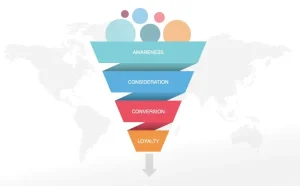
From a business perspective, this approach also improves efficiency. Instead of relying solely on high-cost conversion campaigns, businesses spread their efforts across the funnel. Awareness campaigns bring in new audiences at a lower cost. Mid funnel campaigns warm them up. Bottom funnel campaigns focus only on users who are most likely to convert.
The result is better performance, lower cost per acquisition, and more stable returns over time.
The Awareness Stage: Making the First Impression Count
The first stage of full funnel marketing is awareness. This is where potential customers come into contact with your brand for the first time. At this point, they are not looking to buy. They are simply discovering that you exist.
The goal at this stage is not sales. It is visibility, recall, and relevance.
Paid ads at the awareness stage work best when they focus on value rather than offers. Educational content, short videos, problem-based messaging, and brand storytelling perform well here. On platforms like Meta, visually engaging creatives help stop the scroll. On Google, display and YouTube ads help plant the seed.
What matters most is consistency. When users see your brand multiple times in a helpful and non-intrusive way, familiarity starts to form. This familiarity becomes powerful later in the funnel.
The Consideration Stage: Building Trust and Interest
Once people recognize your brand, they move into the consideration stage. Here, they are actively thinking about whether your product or service fits their needs.
Full funnel marketing at this stage shifts from broad messaging to more specific value propositions. This is where you explain how you solve problems, what makes you different, and why your solution is worth attention.
Remarketing plays a huge role here. Users who have watched videos, visited your website, or engaged with your content can now be shown more detailed ads. Case studies, testimonials, feature highlights, and comparison-based messaging work particularly well.
At this stage, it is essential to be informative rather than aggressive. The aim is to remove doubts and answer unspoken questions, not pressure people into immediate decisions.
The Conversion Stage: Turning Intent into Action
The conversion stage is where full funnel marketing starts to pay off directly. By now, users know who you are, what you offer, and why you are relevant. They are closer to making a decision.
Paid ad strategies at this stage focus on high-intent audiences. These include people who visited key pages, added items to a cart, filled forms partially, or engaged repeatedly with your brand.
Messaging becomes more direct here. Offers, consultations, demos, limited-time incentives, and clear calls to action are effective. Landing pages should be optimized, fast, and aligned with the ad message to avoid friction.
The advantage of full funnel marketing is that conversions here are not cold. They come from warm audiences who already trust the brand, which improves conversion rates and lowers overall costs.
The Retention Stage: Turning Customers into Long Term Assets
One of the most overlooked parts of marketing is what happens after the sale. Full funnel marketing does not stop at conversion. It extends into retention and loyalty.
Existing customers are more likely to buy again, refer others, and engage with new offers. Retargeting campaigns for past customers, email marketing integrations, and personalized ads help maintain that relationship.
This stage focuses on value reinforcement. Educational content, product updates, exclusive offers, and community-driven messaging help keep your brand top of mind.
From a business point of view, retention-focused marketing significantly improves lifetime value and reduces the dependency on constantly acquiring new leads.
How Paid Ads Power Full Funnel Marketing
Paid advertising plays a central role in executing full funnel marketing effectively. Platforms like Google Ads and Meta Ads allow advertisers to target audiences with precision at every stage of the funnel.
Search ads capture high-intent users who are actively looking for solutions. Display and video ads help build awareness at scale. Social ads drive engagement, storytelling, and remarketing opportunities.
What makes paid ads powerful in a full funnel strategy is data. Every interaction feeds insights back into the system. Marketers can analyze which messages resonate, where users drop off, and how different funnel stages influence each other.
When campaigns are structured thoughtfully, paid ads stop being an expense and start becoming a predictable growth engine.
Common Mistakes Businesses Make with Full Funnel Marketing
Many businesses claim to use full funnel marketing but fail to see results because of execution gaps. One common mistake is focusing too heavily on conversions without investing enough in awareness and consideration.
Another issue is inconsistent messaging across funnel stages. When ads feel disconnected or repetitive, users lose interest. Each stage should feel like a natural continuation of the previous one.
Tracking is another challenge. Without proper conversion tracking and audience segmentation, it becomes difficult to measure impact accurately. Businesses end up making decisions based on incomplete data.
Full funnel marketing requires patience and alignment. It is not about quick wins but about building a sustainable system that compounds results over time.
Measuring Success in Full Funnel Marketing
Success in full funnel marketing goes beyond immediate sales metrics. While conversions matter, other indicators are equally important.
Brand searches, engagement rates, website behavior, and repeat visits provide signals about funnel health. A rise in conversion rates over time often indicates that upper funnel efforts are doing their job.
Businesses that track and optimize performance across all stages gain a competitive advantage. They understand not just what converts, but why it converts.
Why Full Funnel Marketing Is the Future of Digital Growth
As competition increases and advertising costs continue to rise, efficiency becomes critical. Full funnel marketing offers a smarter way forward by maximizing value at every touchpoint.
Instead of chasing isolated results, it builds a cohesive brand experience. One that attracts attention, earns trust, converts interest, and nurtures loyalty.
For companies investing in paid ads, this approach creates stability. Campaigns become less volatile, more predictable, and easier to scale.
In an environment where consumers expect relevance and authenticity, full funnel marketing aligns marketing goals with real human behavior.
Final Thoughts
Full funnel marketing is not a trend. It is a strategic shift in how successful brands approach growth.
By understanding the complete customer journey and aligning paid advertising efforts accordingly, businesses can stop wasting budget on disconnected campaigns and start building meaningful, long-lasting results.
Whether you are running Google Ads, Meta Ads, or a combination of both, adopting a full funnel marketing mindset ensures that every click has a purpose and every interaction moves the customer closer to value.
When done right, full funnel marketing does more than drive sales. It builds brands that people remember, trust, and return to.