Performance Marketing Strategy for Modern Businesses
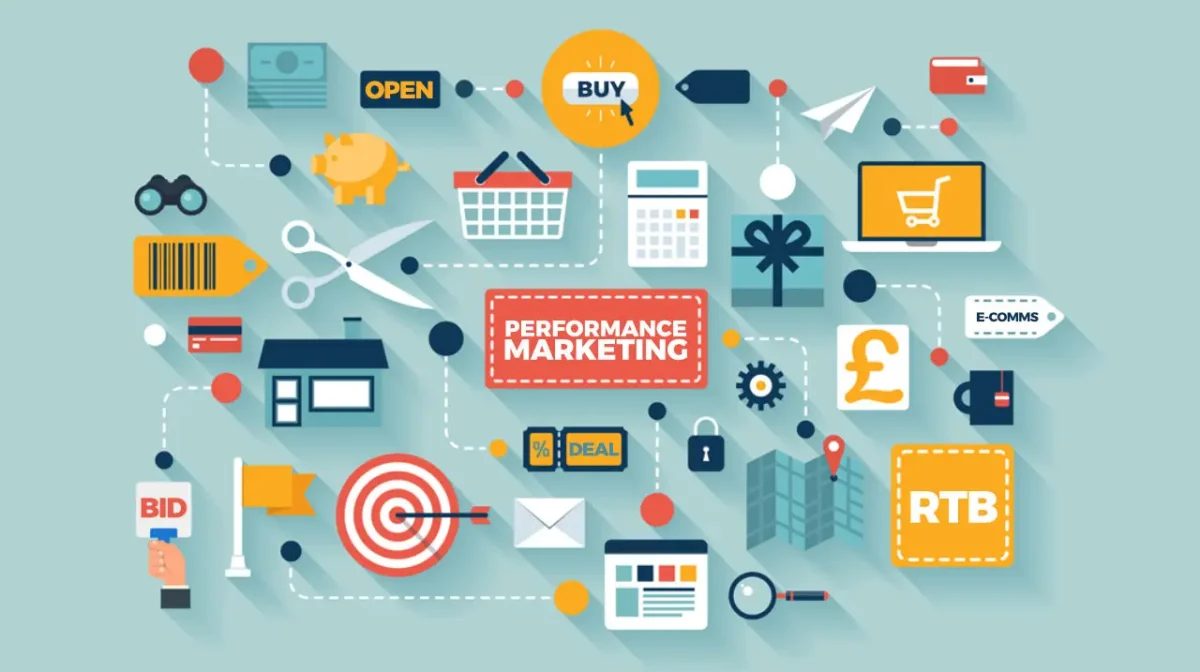
Marketing today is no longer about guessing what might work. Businesses now demand measurable results, clear returns on investment, and campaigns that directly contribute to growth. This shift has made performance marketing one of the most powerful approaches in the modern business landscape. Unlike traditional marketing methods that focus mainly on visibility and brand awareness, performance marketing prioritizes measurable outcomes such as leads, sales, clicks, and conversions.
Modern businesses operate in a highly competitive digital environment where every marketing dollar must deliver value. Performance marketing offers a solution by combining creativity, technology, and data analytics to create campaigns that produce real and trackable results. Companies that adopt strong performance marketing strategies often experience improved efficiency, better targeting, and faster business growth.
Understanding Performance Marketing
Performance marketing is a results focused digital marketing approach where businesses pay only when specific actions occur. These actions may include website visits, lead submissions, product purchases, app downloads, or other measurable interactions that contribute to business objectives.
This marketing model differs significantly from traditional advertising because it eliminates uncertainty. Businesses can monitor campaign performance in real time and adjust strategies based on data insights. Platforms like Google Ads and Meta provide advanced targeting tools that allow businesses to reach audiences based on behavior, interests, demographics, and online activity.
Performance marketing helps businesses move beyond generic advertising. It focuses on delivering relevant messages to the right audience at the right time while ensuring maximum return on marketing investment.
Why Performance Marketing Matters for Modern Businesses
The modern customer journey has become complex and multi layered. Consumers interact with brands across multiple digital touchpoints before making a purchasing decision. Performance marketing helps businesses stay visible and relevant throughout this journey.
One of the biggest advantages of performance marketing is accountability. Businesses can clearly see which campaigns are generating results and which ones require improvement. This transparency allows companies to allocate marketing budgets more efficiently and eliminate unnecessary spending.
Another reason performance marketing has become essential is the ability to personalize customer experiences. Modern consumers expect brands to understand their needs and preferences. Performance marketing uses data insights to deliver personalized content that resonates with potential customers and encourages engagement.
Businesses that rely on performance marketing also benefit from scalability. Campaigns can be expanded, optimized, or adjusted depending on business goals, seasonal trends, and market demands.
Core Components of a Strong Performance Marketing Strategy
Creating a successful performance marketing strategy requires a structured approach that combines research, execution, and continuous optimization.
Audience Research and Targeting
Understanding the target audience is the foundation of performance marketing. Businesses must identify who their ideal customers are, what challenges they face, and how they make purchasing decisions. Audience research helps marketers create campaigns that speak directly to customer needs and interests.
Advanced targeting tools allow businesses to segment audiences based on factors such as online behavior, location, purchase history, and engagement patterns. This precision ensures that marketing efforts reach people who are more likely to convert.
Multi Channel Campaign Planning
Modern performance marketing strategies rely on multiple digital channels to maximize reach and engagement. Businesses often combine search advertising, social media marketing, display advertising, and remarketing campaigns to create a cohesive marketing ecosystem.
Using multiple channels allows businesses to connect with customers at different stages of their journey. Search campaigns capture high intent users, while social media campaigns build awareness and nurture engagement.
Conversion Focused Content Creation
Content plays a major role in performance marketing success. High quality content not only attracts attention but also encourages users to take action. This may include compelling ad creatives, persuasive landing pages, engaging videos, and informative blog content.
Effective performance marketing content focuses on solving customer problems rather than simply promoting products or services. When customers see genuine value, they are more likely to trust the brand and engage with marketing campaigns.
Landing Page Optimization
Landing pages are critical to campaign performance. Even the most well targeted ad campaigns can fail if the landing page experience is poor. Businesses must ensure that landing pages are fast loading, mobile friendly, visually appealing, and clearly communicate the value proposition.
A strong landing page guides visitors toward a specific action such as submitting a form, making a purchase, or requesting a consultation. Clear messaging and simple navigation help improve conversion rates significantly.
Data Tracking and Analytics
Performance marketing relies heavily on data tracking and performance measurement. Businesses use analytics tools to monitor campaign metrics such as click through rates, conversion rates, cost per acquisition, and return on investment.
Data analysis helps marketers identify successful strategies and areas that need improvement. Continuous monitoring allows businesses to make informed decisions and maintain campaign effectiveness.
Popular Performance Marketing Channels
Performance marketing strategies typically include several digital channels that work together to generate results.
Search engine advertising is one of the most effective channels for capturing high intent customers. Businesses can target users who are actively searching for products or services related to their offerings. This increases the likelihood of conversions because users already have purchasing intent.
Social media advertising allows businesses to connect with audiences based on interests, behavior, and engagement patterns. Social platforms provide opportunities for storytelling, brand engagement, and retargeting campaigns that nurture potential customers.
Display advertising helps businesses build brand visibility while targeting users across websites, mobile apps, and digital platforms. These ads keep brands visible during the customer decision making process.
Remarketing campaigns focus on reconnecting with users who have previously interacted with the brand. This strategy is highly effective because it targets audiences who are already familiar with the business and more likely to convert.
The Role of Technology in Performance Marketing
Technology has transformed performance marketing by providing tools that automate campaign management and improve targeting accuracy. Artificial intelligence and machine learning help marketers analyze customer behavior and predict future actions.
Automation tools allow businesses to adjust bids, optimize ad placements, and personalize messaging without manual intervention. This improves efficiency and ensures campaigns remain competitive in dynamic digital markets.
Advanced tracking technologies also allow businesses to understand how customers interact with marketing campaigns across multiple devices and platforms. This comprehensive view helps marketers create more effective strategies and improve customer experiences.
Benefits of Implementing Performance Marketing
Performance marketing offers numerous advantages that help businesses achieve sustainable growth. One of the most important benefits is measurable return on investment. Businesses can clearly track how marketing efforts contribute to revenue and customer acquisition.
Performance marketing also improves budget control. Since businesses pay only for measurable actions, marketing budgets are used more efficiently. This reduces waste and increases overall campaign effectiveness.
Another key benefit is flexibility. Campaigns can be adjusted in real time based on performance data, market trends, and business objectives. This adaptability allows businesses to stay competitive and respond quickly to changing customer behavior.
Performance marketing also strengthens customer engagement by delivering relevant and personalized content. When customers receive messages that match their interests, they are more likely to interact with the brand and build long term relationships.
Common Challenges in Performance Marketing
While performance marketing offers significant advantages, it also presents certain challenges that businesses must address.
One common challenge is managing large volumes of data. Performance marketing generates extensive analytics data that requires careful interpretation. Without proper analysis, businesses may struggle to identify meaningful insights.
Another challenge is maintaining consistency across multiple marketing channels. Businesses must ensure that messaging, branding, and customer experience remain consistent across all digital platforms.
Competition is also a major factor in performance marketing. As more businesses invest in digital advertising, competition for audience attention increases. Marketers must continuously refine strategies and create innovative campaigns to stand out.
Best Practices for Building an Effective Performance Marketing Strategy
Businesses that succeed in performance marketing typically follow several proven practices. Setting clear and realistic marketing goals helps create focused campaigns and measurable outcomes. Goals should align with overall business objectives and customer expectations.
Continuous testing and optimization are essential for performance marketing success. Businesses should regularly test different ad creatives, messaging styles, targeting options, and landing page designs. Testing helps identify strategies that produce the best results.
Maintaining strong collaboration between marketing and sales teams also improves campaign performance. When both teams share insights and align strategies, businesses can create more targeted campaigns and close deals more efficiently.
Investing in high quality creative content is another important practice. Strong visuals, engaging storytelling, and persuasive messaging help campaigns attract attention and encourage conversions.
How Performance Marketing Supports Long Term Business Growth
Performance marketing is not just about immediate results. When implemented strategically, it contributes to long term business growth and brand development. By continuously analyzing customer data, businesses gain valuable insights into audience behavior and preferences.

These insights help companies refine marketing strategies, improve product offerings, and enhance customer experiences. Over time, performance marketing builds stronger relationships with customers and increases brand loyalty.
Performance marketing also allows businesses to scale operations efficiently. As campaigns generate positive results, businesses can expand marketing efforts to reach new markets and customer segments. This scalability makes performance marketing an essential growth tool for modern businesses.
The Future of Performance Marketing
The future of performance marketing is closely linked to advancements in technology and evolving customer expectations. Artificial intelligence, predictive analytics, and automation will continue to improve targeting accuracy and campaign efficiency.
Personalization will become even more important as customers expect tailored experiences across all digital interactions. Businesses that invest in data driven marketing strategies will be better positioned to deliver personalized content and maintain customer engagement.
Privacy regulations and data protection policies will also shape the future of performance marketing. Businesses must adopt transparent data practices while maintaining effective targeting strategies. Building customer trust will become a critical factor in marketing success.
Conclusion
Performance marketing has transformed how modern businesses approach advertising and customer engagement. By focusing on measurable results, data driven strategies, and personalized customer experiences, performance marketing provides businesses with a reliable path to growth.
Companies that invest in well structured performance marketing strategies benefit from improved efficiency, better targeting, and stronger return on investment. As digital competition continues to grow, performance marketing will remain a crucial component of successful business marketing strategies.
Businesses that combine creativity with analytics and continuously optimize campaigns will be better equipped to attract customers, build relationships, and achieve sustainable growth in the evolving digital marketplace.