How Landing Page Design Impacts Lead Generation Success
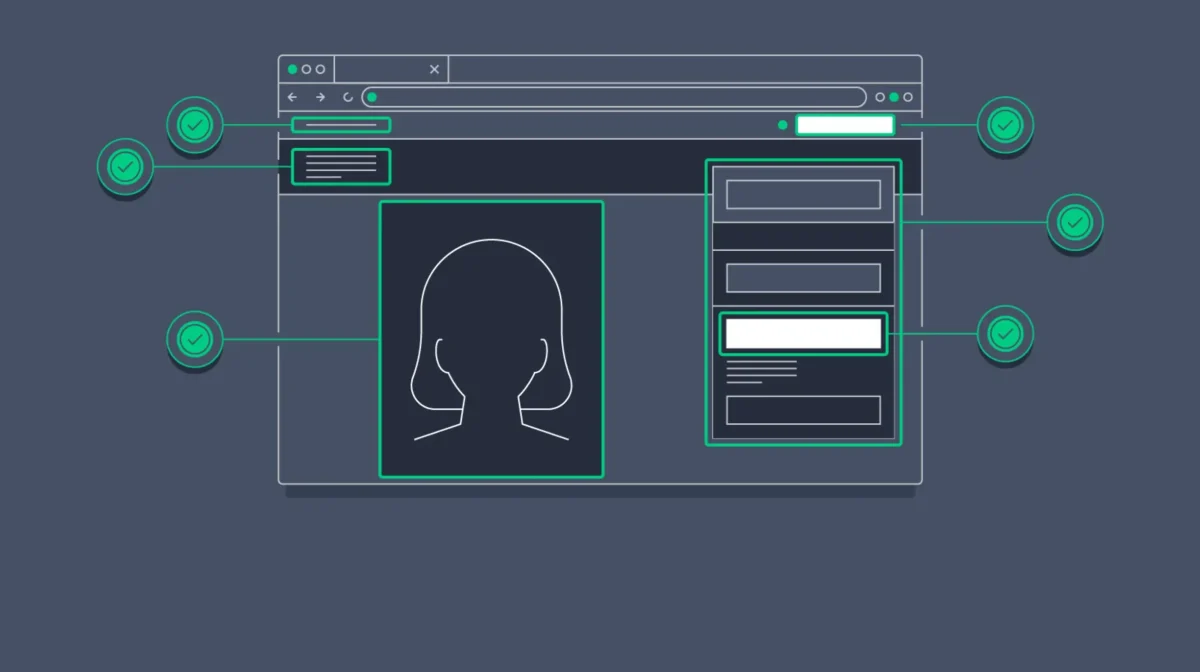
Businesses invest significant resources into driving traffic through search engine optimization, social media marketing, paid advertising, email campaigns, and content marketing. However, attracting visitors is only part of the equation. The real challenge begins once potential customers arrive on a website.
Many companies focus heavily on generating traffic but overlook one of the most important elements of the customer journey: the landing page. No matter how effective a marketing campaign may be, poor landing page performance can prevent visitors from becoming leads.
This is why landing page design plays such a critical role in lead generation success. A well-designed landing page serves as a bridge between marketing efforts and business results. It guides visitors toward a specific action, removes distractions, and creates an experience that encourages conversion.
When businesses understand the impact of landing page design, they can significantly improve lead quality, conversion rates, and overall marketing performance.
What Is Landing Page Design?
A landing page is a standalone web page created with a specific goal in mind. Unlike a typical website page that may contain multiple navigation options and various types of information, a landing page is focused on a single objective.
That objective may be:
- Generating inquiries
- Capturing contact information
- Encouraging registrations
- Promoting a service
- Driving consultation requests
Landing page design refers to the structure, layout, content, visual elements, and user experience that work together to encourage visitors to take action. Every design decision on a landing page should support the desired conversion goal.
Why Landing Pages Matter for Lead Generation
Lead generation is ultimately about turning interest into action. A visitor may click on an advertisement, open an email, or discover a business through search engines. However, if the landing page fails to deliver a clear and compelling experience, that opportunity can be lost.

Landing pages help businesses maintain focus by directing visitors toward a specific action rather than overwhelming them with too many choices.
By reducing distractions and creating a clear path forward, landing pages increase the likelihood that visitors will complete forms, request information, or engage with the business. This focused approach often leads to better conversion rates compared to standard website pages.
First Impressions Influence Conversions
Visitors form opinions about websites within seconds. When users arrive on a landing page, they immediately evaluate whether the content is relevant, trustworthy, and worth their attention. A cluttered design, confusing layout, or outdated appearance can create doubt and encourage visitors to leave.
On the other hand, a clean and professional landing page creates confidence. Visitors are more likely to engage when the design feels organized, modern, and aligned with their expectations. First impressions often determine whether users continue exploring or abandon the page altogether.
Clear Messaging Improves Lead Quality
One of the most important aspects of effective landing page design is clear communication. Visitors should immediately understand:
- What the offer is
- Who it is for
- Why it matters
- What action they should take next
Confusing messaging creates friction that can reduce conversions. Strong landing pages communicate value quickly and effectively. Headlines, supporting content, and calls to action work together to guide visitors through the decision-making process. When users clearly understand the benefits being offered, they are more likely to become qualified leads.
User Experience Plays a Critical Role
User experience has become a major factor in digital marketing success. Even the most compelling offer can struggle if the landing page experience feels frustrating or complicated. Effective landing page design focuses on simplicity and ease of use.
Visitors should be able to navigate the page effortlessly, locate important information quickly, and complete actions without unnecessary obstacles.
Elements such as page structure, readability, spacing, and form design all contribute to the overall user experience. When users enjoy a smooth experience, conversion opportunities increase significantly.
The Relationship Between Landing Page Design and Trust
Trust is essential in lead generation. Before sharing personal information or contacting a business, visitors want reassurance that they are dealing with a credible organization.
Landing page design helps establish this trust through professionalism and consistency. Visual branding, high-quality imagery, clear messaging, and social proof all contribute to credibility.
Testimonials, case studies, certifications, and client success stories can further strengthen confidence. A trustworthy landing page reduces hesitation and encourages users to move forward.
Why Mobile Optimization Matters
Mobile devices account for a significant percentage of website traffic today. As a result, landing page design must prioritize mobile performance. Visitors expect pages to load quickly and function smoothly on smartphones and tablets. If a page is difficult to navigate on mobile devices, potential leads may leave before completing the desired action.
Responsive design ensures that landing pages adapt seamlessly across different screen sizes. Businesses that prioritize mobile-friendly experiences often benefit from improved engagement and stronger conversion rates.
Website Speed and Landing Page Performance
Page speed directly influences user behavior. Slow-loading landing pages create frustration and increase abandonment rates. Even a few extra seconds can reduce conversions and negatively affect campaign performance.
Landing page design should prioritize performance by minimizing unnecessary elements and optimizing content delivery. Fast-loading pages improve user satisfaction while supporting broader marketing goals. Businesses that invest in performance optimization often achieve stronger lead generation outcomes.
Visual Design Influences Decision-Making
Visual communication plays an important role in how visitors interpret information. Colors, imagery, typography, spacing, and layout all influence user perception and behavior.
Effective landing page design uses visual elements strategically to guide attention toward key messages and calls to action. Rather than overwhelming visitors with excessive graphics or distractions, successful landing pages use visual hierarchy to create clarity.
When design supports communication, users can process information more efficiently and make decisions with greater confidence.
The Importance of Strong Calls to Action
Every landing page should guide visitors toward a specific next step. Calls to action serve as the bridge between interest and conversion.
Whether encouraging users to schedule a consultation, request a quote, download a resource, or submit an inquiry, the call to action should be clear and visible.
Effective landing page design ensures that calls to action stand out without appearing aggressive. A well-positioned and well-written call to action can have a significant impact on lead generation performance.
How Landing Page Design Supports Marketing Campaigns
Landing pages are often the destination for digital marketing campaigns. Paid advertising, social media promotions, email marketing, and content campaigns all rely on landing pages to convert traffic into leads.
When the message in the advertisement aligns with the landing page experience, users are more likely to engage. Consistency between marketing channels and landing page content improves user confidence and strengthens conversion potential.
Businesses that align campaigns with dedicated landing pages typically achieve better results than those directing traffic to generic website pages.
Measuring Landing Page Success
One of the advantages of digital marketing is the ability to measure performance. Landing page effectiveness can be evaluated through metrics such as:
- Conversion rates
- Form submissions
- Bounce rates
- Engagement levels
- Time on page
Analyzing these metrics helps businesses identify strengths and improvement opportunities. Successful lead generation often involves continuous refinement rather than relying on a single design approach. Regular testing and optimization help maximize results over time.
Common Landing Page Mistakes Businesses Make
Many businesses invest heavily in marketing but unintentionally weaken performance through poor landing page design. Common issues include:
- Overcomplicated layouts
- Too many distractions
- Weak calls to action
- Slow page speeds
- Unclear messaging
- Excessive form fields
These mistakes create friction that discourages users from taking action. By simplifying experiences and focusing on user needs, businesses can improve lead generation outcomes significantly.
A Strategic Approach to Landing Page Design
Effective landing page design combines creativity, psychology, and business strategy. At DA & Co EmpowerX, landing pages are viewed as more than just web pages. They are conversion-focused assets designed to support marketing goals and improve business outcomes.
The most successful landing pages are built around audience understanding, clear messaging, strong user experiences, and ongoing optimization. When strategy and design work together, businesses create environments that encourage action and maximize lead generation potential.
Conclusion
Generating website traffic is only the first step in a successful marketing strategy. Turning that traffic into qualified leads requires a thoughtful and strategic approach to user experience.
A well-executed landing page design helps businesses communicate value, establish trust, reduce friction, and guide visitors toward meaningful actions.
From improving first impressions and mobile usability to supporting marketing campaigns and increasing conversions, landing pages play a vital role in lead generation success.
As competition continues to grow in the digital marketplace, businesses that invest in effective landing page design will be better positioned to attract, engage, and convert potential customers into valuable business opportunities.