How PPC Advertising Can Deliver Faster Business Results
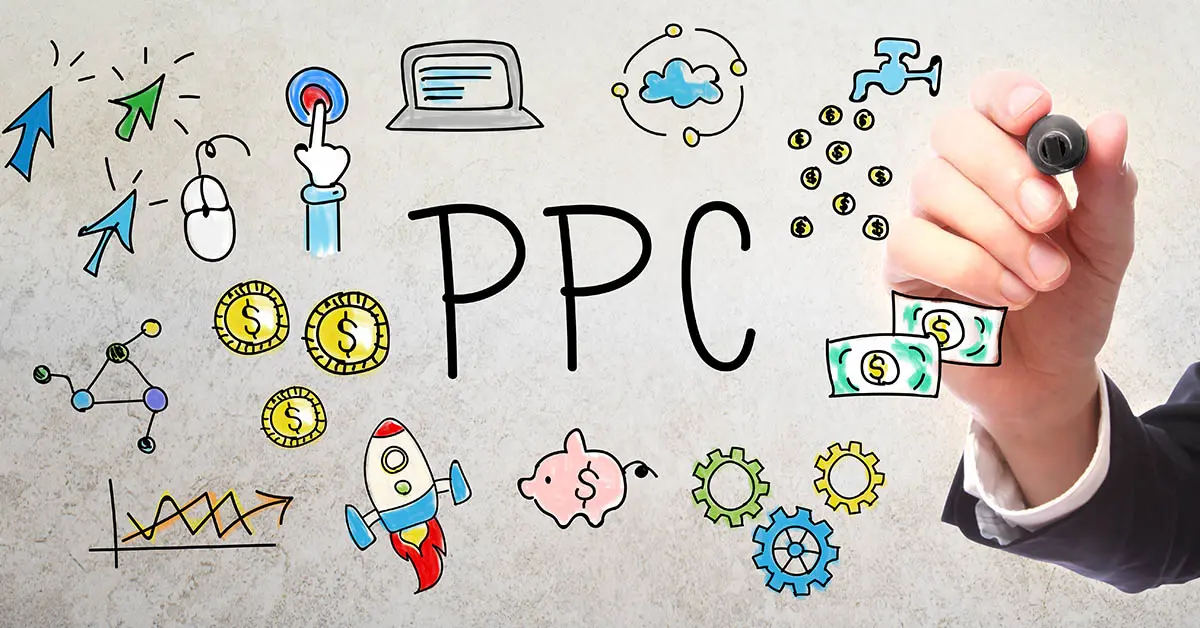
Building a strong online presence takes time. Search engine optimization, content marketing, social media, and organic brand building can deliver impressive long term results, but businesses often need a way to reach potential customers sooner. This is where PPC advertising can make a significant difference.
Pay per click advertising allows businesses to place their products or services in front of people who are actively searching, browsing, or showing interest in what they offer. Rather than waiting for organic visibility to develop, businesses can launch targeted campaigns and begin attracting relevant traffic much faster.
However, speed should never be confused with guaranteed results. Simply spending money on advertisements does not automatically generate customers. Successful PPC campaigns depend on the right audience, compelling messaging, relevant landing pages, appropriate budgets, accurate tracking, and continuous optimization. When these elements work together, PPC can become a powerful channel for generating traffic, leads, inquiries, and sales.
What Is PPC Advertising?
PPC stands for pay per click. It is a digital advertising model in which advertisers generally pay when someone clicks on their advertisement. Search advertising is one of the most recognizable forms of PPC. When someone searches for a product, service, or solution on a search engine, relevant paid advertisements may appear alongside organic search results.
PPC can also extend beyond search engines. Businesses can use paid advertising across different digital platforms to reach people based on their interests, online behavior, demographics, previous interactions, or search intent. The fundamental advantage is control. Businesses can decide how much they want to spend, which audiences they want to target, which messages they want to promote, and where they want to direct potential customers.
Why PPC Can Produce Faster Results
One of the biggest advantages of PPC is its ability to generate visibility relatively quickly. Organic search rankings may take months to develop, particularly for competitive keywords. A new website may need considerable time to establish authority and earn strong positions in search results.
Paid campaigns work differently. Once a campaign has been properly created, approved, and launched, advertisements can begin appearing for relevant searches or audiences. This makes PPC particularly useful for businesses that:
- Are launching a new product or service
- Want to generate leads quickly
- Are entering a competitive market
- Need more website traffic
- Are promoting a limited time offer
- Want to test market demand
- Need measurable advertising data
The key is to use that speed strategically rather than treating paid advertising as a shortcut without a plan.
1. PPC Puts Your Business in Front of High Intent Customers
One of the strongest reasons PPC can produce fast results is search intent. Consider someone searching for “emergency plumbing service,” “business consultant,” or “wedding photographer.” These searches can indicate that the person already has a specific need. If your business provides the relevant service, appearing prominently at that moment can put your brand directly in front of a potential customer.
This is very different from showing an advertisement to someone who may have no immediate interest in purchasing. The closer an audience is to taking action, the greater the opportunity for an advertising campaign to generate meaningful results.
2. Businesses Can Control Their Targeting
Another advantage of PPC is the level of control available to advertisers. Campaigns can be structured around factors such as:
- Search keywords
- Geographic location
- Device
- Language
- Audience characteristics
- Customer interests
- Previous website interactions
- Search behavior
- Time and day
This level of targeting helps businesses focus their advertising budget on audiences that are more relevant to their objectives. For a local business, there may be little value in paying for clicks from people located thousands of kilometers away.
Similarly, an ecommerce company selling a specific product may want to prioritize people who have already demonstrated an interest in that category. Good targeting helps reduce irrelevant traffic and makes advertising spend more purposeful.
3. PPC Gives Businesses Immediate Market Visibility
Getting onto the first page of organic search results can take substantial effort. Businesses need technically sound websites, quality content, authoritative backlinks, strong user experience, and consistent SEO work to compete for valuable search positions.
PPC provides another route to visibility. A carefully structured campaign can give a business an opportunity to appear prominently for relevant searches without waiting for organic rankings to mature. This does not mean businesses should abandon SEO.
In fact, PPC and SEO can work extremely well together. While SEO builds sustainable organic visibility over time, PPC can provide faster access to relevant audiences and valuable data about which search terms and messages attract attention.
4. PPC Makes Performance Easier to Measure
Businesses need to know where their marketing budget is going. Traditional advertising can sometimes make it difficult to determine exactly how many people interacted with an advertisement and what happened afterward. Digital PPC campaigns provide considerably more measurable data.
Depending on the platform and tracking setup, businesses can monitor metrics such as:
- Impressions
- Clicks
- Click through rate
- Cost per click
- Conversions
- Cost per conversion
- Conversion rate
- Revenue
- Return on ad spend
This data gives marketers an opportunity to understand campaign performance and make informed decisions. If one keyword generates valuable leads while another consumes budget without producing meaningful actions, the campaign can be adjusted accordingly.
5. PPC Campaigns Can Be Optimized Continuously
A PPC campaign does not need to remain unchanged after launch. In fact, successful campaigns are usually monitored and refined continuously. Marketers can test different:
- Headlines
- Descriptions
- Keywords
- Audiences
- Landing pages
- Calls to action
- Bidding approaches
- Ad formats
Performance data can then guide future decisions. This creates a feedback loop. The business launches a campaign, collects data, identifies opportunities, makes adjustments, and continues measuring the results. Over time, this process can make campaigns more efficient and improve the quality of traffic being generated.
The Importance of Choosing the Right Keywords
Keywords form the foundation of many PPC search campaigns. Choosing keywords simply because they receive a high search volume can be a mistake. A keyword may attract thousands of searches but still produce poor business results if the people searching for it are not ready to take action.
Commercial intent matters. For example, someone searching for “what is digital marketing” is likely at a different stage of the customer journey than someone searching for “digital marketing agency.” The second search may indicate stronger commercial intent. A well planned PPC campaign therefore considers both search volume and the likelihood that a search can lead to a valuable business action.
Why Your Landing Page Matters
Getting someone to click an advertisement is only the beginning. After the click, the landing page needs to deliver on the promise made in the advertisement. If an advertisement promotes a particular service but sends visitors to a generic homepage, potential customers may struggle to find the information they expected.
A strong landing page should be:
- Relevant to the advertisement
- Easy to navigate
- Fast to load
- Mobile friendly
- Clear about the offer
- Focused on a specific action
- Supported by persuasive and useful information
The closer the relationship between the advertisement, search intent, and landing page, the stronger the overall customer experience can become.
PPC Advertising in Dubai
Businesses operating in competitive markets need to be particularly strategic about paid advertising. For companies targeting customers in the UAE, campaigns can be structured around specific locations, services, audiences, and search behavior. For example, PPC advertising in Dubai can help businesses compete for attention when potential customers are actively searching for relevant products and services. However, simply targeting Dubai is not enough.
Businesses still need to understand the local market, customer expectations, competitive landscape, language preferences, purchasing behavior, and the search terms potential customers actually use. Effective location based PPC therefore combines geographic targeting with strong keyword research and relevant messaging.
How a PPC Advertising Company Can Improve Campaign Performance
Managing paid advertising can become complicated as campaigns grow. Businesses need to monitor search terms, manage negative keywords, adjust bids, test advertisements, analyze conversions, review landing pages, and allocate budgets based on performance.
A professional PPC advertising company in Dubai can bring specialist knowledge to these areas while allowing business owners and internal teams to focus on their core operations. The value of professional management is not simply launching advertisements. It is understanding the data and making strategic decisions based on what that data reveals.
PPC Does Not Mean Paying for Every Possible Click
One common misconception is that successful PPC is about generating as many clicks as possible. That is not necessarily the objective. A campaign generating thousands of inexpensive clicks can be less valuable than one producing a smaller number of highly relevant visitors who actually become customers. The focus should therefore be on quality traffic and meaningful conversions, not traffic volume alone. This is why campaign optimization needs to consider what happens after someone clicks. If a particular audience generates fewer clicks but more qualified leads, it may deserve a larger share of the budget.
Combining PPC With Remarketing
Not everyone who visits your website for the first time will make a purchase or submit an inquiry. Some visitors may be researching their options. Others may want to compare prices. Some may simply need more time before making a decision. Remarketing allows businesses to reconnect with certain previous website visitors or audiences who have already interacted with the brand, subject to applicable platform and privacy requirements.
This can help businesses remain visible during longer purchasing journeys. For example, an ecommerce visitor may view a product without completing the purchase. A carefully designed remarketing strategy can provide another opportunity to bring that person back to the website.
PPC Advertising Can Also Help Businesses Test New Ideas
Another valuable advantage of paid advertising is the ability to gather market feedback. Suppose a company is unsure which service benefit should be emphasized in its marketing. Rather than relying entirely on assumptions, marketers can test different messages through advertising.
One campaign might emphasize affordability. Another might focus on expertise. A third could highlight convenience. The resulting data can provide useful insight into which message generates stronger engagement or conversions. These insights can potentially influence other marketing activities, including website copy, SEO content, social media, and email campaigns.
Common PPC Advertising Mistakes That Can Waste Budget
PPC can deliver fast visibility, but poor campaign management can also lead to unnecessary spending. Some common mistakes include:
Targeting Too Broadly
Broad targeting can attract visitors who have little interest in purchasing your product or service.
Ignoring Negative Keywords
For search campaigns, negative keywords can help prevent advertisements from appearing for irrelevant searches.
Using Generic Ad Copy
Advertisements need to communicate a relevant benefit and give people a reason to click.
Sending Everyone to the Homepage
A dedicated landing page can often provide a more relevant experience than a generic homepage.
Failing to Track Conversions
Without proper tracking, businesses may struggle to determine which campaigns, keywords, or advertisements are actually producing results.
Never Optimizing After Launch
Launching a campaign and leaving it untouched can result in missed opportunities and unnecessary expenditure.
How DA & Co EmpowerX Approaches PPC Advertising
At DA & Co EmpowerX, we believe paid advertising should be connected to clear business objectives. A successful PPC strategy begins with understanding the business, its audience, competitors, services, and desired outcomes. From there, campaigns can be developed around appropriate keywords, compelling advertisements, relevant landing pages, audience targeting, conversion tracking, and ongoing optimization. Our digital marketing capabilities allow PPC to work alongside other channels such as SEO, social media marketing, website development, content marketing, and remarketing.
This integrated approach matters because paid advertising should not operate in isolation. The advertisement may bring someone to your website, but your website experience, brand credibility, content, and follow up process all influence what happens next. DA & Co EmpowerX focuses on building campaigns around measurable objectives rather than simply generating clicks.
How to Get Better Results From PPC Advertising
Businesses looking to make PPC more effective should focus on a few fundamental principles:
Start with clear objectives.
Know whether the campaign is designed to generate leads, sales, calls, registrations, traffic, or another specific action.
Understand your audience.
Research what potential customers search for, what problems they are trying to solve, and what influences their decisions.
Prioritize intent.
Do not automatically choose keywords based only on search volume. Consider whether the search indicates genuine interest in your offering.
Create relevant landing pages.
Make the journey from advertisement to website as seamless as possible.
Track meaningful conversions.
Measure actions that contribute to business growth rather than focusing exclusively on clicks and impressions.
Optimize regularly.
Use performance data to improve keywords, advertisements, audiences, budgets, and landing pages.
Final Words About PPC Advertising
PPC advertising can give businesses something that many other digital marketing channels cannot provide as quickly: access to relevant audiences and measurable advertising opportunities soon after campaigns are launched. But speed alone does not guarantee success. The strongest PPC campaigns combine thoughtful keyword research, precise targeting, persuasive advertisements, relevant landing pages, accurate conversion tracking, and continuous optimization.
For businesses operating in competitive markets, this approach can create a valuable balance between immediate visibility and long term marketing growth. At DA & Co EmpowerX, we combine paid advertising expertise with broader digital marketing capabilities to help businesses develop campaigns that are strategic, measurable, and aligned with their commercial goals. Whether the objective is generating qualified leads, increasing website traffic, growing ecommerce sales, or improving brand visibility, a well planned PPC strategy can become a powerful part of the marketing mix.